
Driving Back to the Garage: The Cars Facing the Most Recalls
In 2024, U.S. drivers saw nearly 1,000 automotive recalls affecting more than 32 million vehicles, according to new research from The Schiller Kessler Group. From faulty brakes and airbag malfunctions to electrical fires, the scope of recalls has grown so significant that it affects not only car owners, but every road user.
The findings reveal which brands and models have been recalled most often, the systems most prone to failure, and the safety blind spots that keep recurring despite decades of engineering advancements.
Automotive Recall Overview
A breakdown of recall categories shows how wide-ranging the issues have become:
-
Electrical failures (230+ recalls): Short-circuits, charging errors, and battery fires.
-
Equipment defects (190+ recalls): Faulty seatbelts, broken lights, and defective controls.
-
Steering failures (150+ recalls): Loss of control or fractured steering rods.
-
Structural faults (130+ recalls): Loose bolts, deformable panels, and faulty frames.
-
Airbag malfunctions (115+ recalls): Delayed deployment or dangerous inflators.
In total, 988 recall events impacted over 32 million vehicles in 2024.
Which Brands Were Hit the Hardest?
Some of America’s best-known manufacturers faced the steepest challenges:
-
Ford: 7,552 vehicles recalled.
-
Chevrolet: 7,473 vehicles recalled.
-
Toyota: 5,390 vehicles recalled.
-
Honda: More than 3,820 vehicles recalled.
-
Dodge/Chrysler: Over 2,880 vehicles recalled.
Ford and Chevrolet together accounted for over 15,000 recall incidents, largely tied to their most popular pickups and SUVs — vehicles that are often heavily used commercially or for high-mileage driving.
Top Models in Fatal Crashes
Alongside recalls, some models show up repeatedly in serious accident statistics:
-
Ford F-Series Pickup: 2,414 fatal crashes.
-
Chevrolet Silverado (C/K Series): 2,255 fatal crashes.
-
Dodge Ram Pickup: 1,385 fatal crashes.
-
Toyota Camry: 1,079 fatal crashes.
-
Honda Accord (incl. Crosstour models): 1,004 fatal crashes.
While popularity plays a role in these totals, safety experts note that structural or system flaws later tied to recalls often overlap with the vehicles most frequently involved in deadly crashes.
Why Do Modern Cars Keep Failing?
Two broad categories dominate the recall landscape.
1. Legacy Mechanical Failures
Despite decades of refinement, traditional components still fail. Chrysler and Jeep SUVs were recalled for suspension arms that could fracture on rough terrain, while Ford and GM pickups faced repeated recalls over steering column fractures and defective seatbelts.
2. Digital and Electrical Glitches
As cars rely more heavily on computer systems, recalls increasingly involve electronics. Electrical issues were the single most common recall cause in 2024, especially for hybrids and EVs.
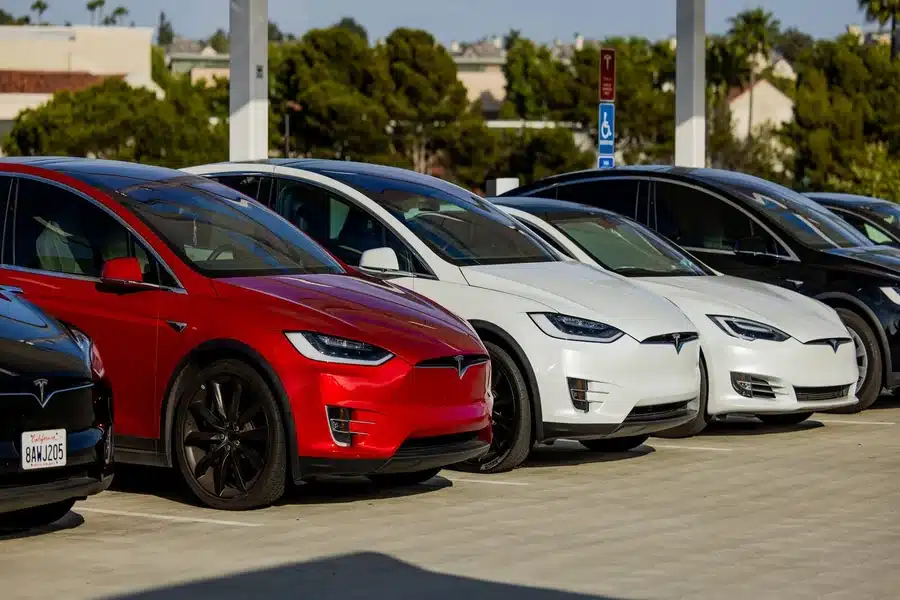
Tesla alone faced 14 separate recall events tied to software problems affecting braking and speed control. Hyundai and Kia recalled tens of thousands of EVs due to battery fire risks.
When Human Error Meets Defective Systems
A failed brake line or a steering malfunction might be survivable on its own. But when combined with speeding, distraction, or impaired driving, the consequences can be catastrophic. This interaction between human behavior and mechanical failure underscores why recalls matter beyond consumer inconvenience — they are central to national road safety.
Recalls Across Industries
Automotive recalls are part of a much larger trend. In 2024, the U.S. saw 3,232 product recalls across five major sectors: consumer goods, automotive, pharmaceuticals, medical devices, and food.
The Sedgwick Brand Protection report confirms that 2023 had already hit a seven-year high for recall events. And early 2025 data shows that recall numbers are still rising across consumer sectors.
The automotive sector alone accounted for 988 recalls and 32 million vehicles, second only to food and drink in the number of products pulled from the market.
Why Recalls Are Rising
Complex global supply chains, increasing reliance on software, and intense production schedules all contribute to higher defect rates. Cars, in particular, combine thousands of mechanical and electronic systems, each of which can fail under stress. As manufacturers compete to deliver advanced features — from EV battery performance to semi-autonomous driving — the potential for software bugs and electrical flaws increases.
Meanwhile, traditional hazards such as faulty airbags, seatbelts, and suspension components remain stubbornly present, reminding regulators and consumers alike that old problems have not gone away.
The Consumer Impact
For drivers, recalls carry more than just inconvenience. Repairs can mean weeks without a vehicle, unexpected costs, and — in the worst cases — preventable injuries.
According to the Schiller Kessler Group’s analysis, over 32 million U.S. drivers in 2024 were directly affected by a recall, and many millions more shared the roads with vehicles carrying hidden defects.
Conclusion
The auto industry is under pressure to improve safety, yet recalls remain at historically high levels. The vehicles most often recalled are also among the most popular on the road, which means the risks extend far beyond individual owners.
For U.S. consumers, recalls are not a marginal issue. They represent a systemic challenge that combines mechanical reliability, digital complexity, and public safety. Until the industry closes these gaps, drivers will continue to face the risk of “driving back to the garage.”