
Why Does Your Air Conditioner Run Constantly but Still Not Cool?
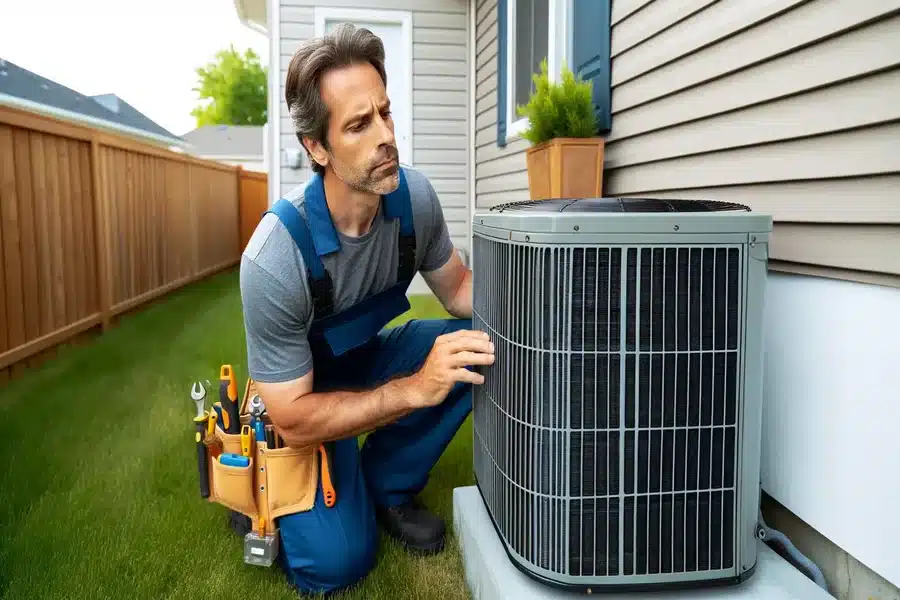
An air conditioner that runs for long stretches without bringing real comfort can leave a home feeling frustratingly warm and heavy. Many people assume nonstop operation means the system is working hard enough to catch up, but constant running often signals that something is slowing or weakening the cooling process. The unit may still power on, move air, and respond to the thermostat, yet the indoor temperature barely changes. That can happen when airflow is restricted, heat continues to enter the house, or the equipment cannot remove heat efficiently. Looking at the reasons behind this pattern helps explain why a system can stay active for hours and still fail to cool properly.
Main causes of weak cooling
-
Dirty Components and Restricted Air Movement
One major reason an air conditioner keeps running without cooling well is restricted airflow inside the system. Cooling depends on a steady movement of indoor air across the evaporator coil and back through the ductwork into the rooms. When the air filter is packed with dust, the return vent is blocked, or the blower wheel is coated with grime, the system loses the volume it needs to move cooled air properly. That means the equipment may remain on and continue to consume power, but the cooled air reaching the living space is much weaker than it should be. Dirty evaporator or condenser coils can add another layer to the problem because heat transfer becomes slower when surfaces are covered in dirt. Instead of removing heat efficiently, the system struggles, requiring longer cycles and yielding lower results. Homeowners sometimes hear the unit running and feel some air from the vents, so they assume the problem must be outside the AC itself. In reality, even a small restriction in airflow can dramatically lengthen cooling cycles and keep the thermostat from reaching the set temperature.
-
Low Refrigerant and Heat Transfer Problems
Another common cause is a refrigerant issue that prevents the system from absorbing and releasing heat as it should. Refrigerant does not simply get used up under normal conditions, so when levels are low, there is usually a leak somewhere in the system. A low charge can reduce the unit’s ability to cool the indoor coil properly, so the air coming through the vents may feel only slightly cool rather than refreshing the room. In some cases, parts of the coil may freeze, creating an even greater barrier to airflow and worsening performance as the cycle continues. This often leads to a pattern in which the system runs almost nonstop during the hottest part of the day without lowering the indoor temperature. A homeowner looking into Heating and Cooling in Tulsa may notice that long runtimes during high outdoor temperatures become much more obvious when refrigerant levels are not where they should be. Problems with the compressor or the outdoor condenser fan cause similar symptoms because air removed from inside the house is not being released outdoors effectively. When that heat-exchange process weakens, the AC keeps running but never gains enough traction to cool the home.
-
Thermostat Trouble and Hidden Heat Gain Indoors
Sometimes the air conditioner is not the only part of the problem. A thermostat that is poorly placed, incorrectly calibrated, or malfunctioning can keep the unit running longer than necessary while sending the wrong signal about indoor conditions. If the thermostat sits near a warm window, receives direct sunlight, or is affected by nearby appliances, it may read a higher temperature than the rest of the house and continue calling for cooling. At the same time, the home itself may be gaining heat faster than the AC can remove it. Attic heat, leaky windows, poor insulation, sun exposure on the roof, and gaps around doors can all allow outdoor warmth to keep pushing inside. When that happens, the air conditioner may appear to be failing even though it is actually fighting a constant stream of incoming heat. Duct leaks can make the situation worse by allowing cooled air to escape into the attic or crawlspace before it reaches the rooms where it is needed. A system in this condition may run for hours, keep some spaces slightly cooler than others, and still leave the house feeling sticky, uneven, and uncomfortable by late afternoon.
Why Ongoing Operation Should Be Taken Seriously
An air conditioner that runs constantly without cooling properly should not be dismissed as a normal hot-weather inconvenience. Long cycles usually mean the system is under strain, which can increase utility costs and put extra wear on vital parts. What begins as a dirty filter, a refrigerant leak, a thermostat issue, or excessive indoor heat gain can escalate into a larger repair if left unchecked. Paying attention to warm rooms, weak temperature drop, and nonstop operation can reveal that the system is losing efficiency rather than simply working harder. Fixing the cause early often restores comfort faster and helps the entire cooling setup operate with less stress and more consistent performance.