
What Should Homeowners Expect During an Air Conditioning Contractor Visit?
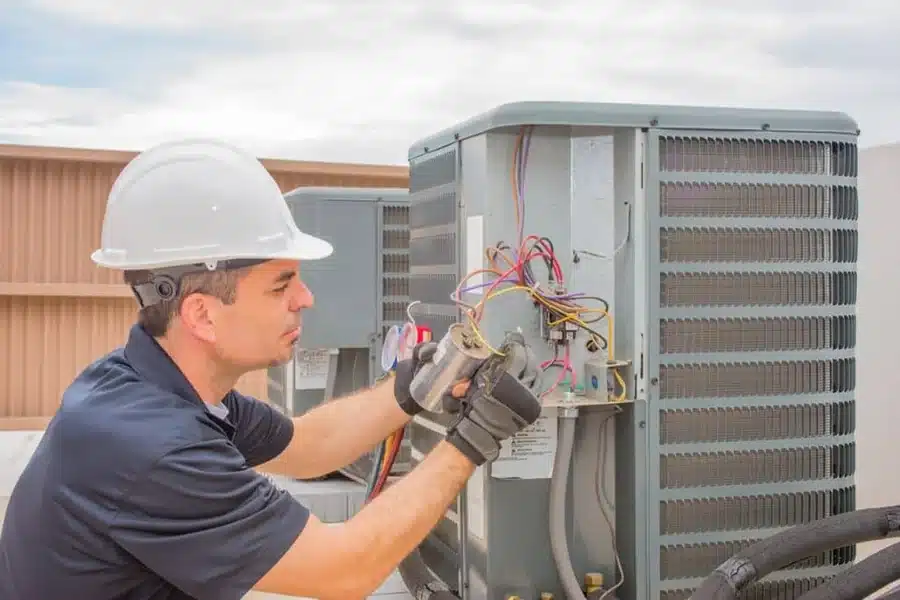
When an air conditioning contractor arrives, the visit usually involves more than checking whether cool air is coming from the vents. A proper service call is meant to understand how the system is performing, why a comfort problem may be occurring, and the condition of the system’s main parts. Homeowners often schedule these visits because the house feels warm, airflow seems weak, utility bills have risen, or the unit has started making unfamiliar sounds. Knowing what to expect can make the appointment feel less uncertain and help homeowners understand why the contractor spends time asking questions, inspecting equipment, and testing overall system response.
Why the visit involves more than a quick look
What the contractor is looking for
A homeowner should expect the visit to begin with questions about how the system has been behaving rather than immediate repair work. The contractor may ask when the problem started, whether it happens all day or only during the hottest hours, whether certain rooms feel worse than others, and whether the thermostat setting seems to match the temperature inside the house. That conversation matters because cooling problems are not always caused by the outdoor unit alone. A house can feel uncomfortable because of airflow restrictions, thermostat issues, dirty filters, weak return air, or a system that is running but not removing heat efficiently. After that, the contractor usually inspects the indoor and outdoor equipment, listens for unusual sounds, checks visible connections, and begins narrowing down whether the issue involves controls, airflow, drainage, or a mechanical component. Homeowners should not be surprised if the contractor spends time observing before giving answers. That early evaluation helps turn a vague comfort complaint into a more focused diagnosis, which often prevents guesswork and unnecessary repair recommendations later in the visit.
Testing helps reveal what the system is actually doing.
Homeowners should also expect the contractor to perform testing rather than rely only on visible inspection. Air conditioning contractors often check thermostat response, vent temperature, airflow strength, electrical components, blower performance, and the condition of coils, filters, and drainage parts before deciding what is wrong. These tests help reveal whether the unit is cooling properly, whether the system is cycling as it should, and whether any hidden strain is building up inside the equipment. This can take some time, especially if the problem occurs only under certain conditions or if the system is still operating but not providing sufficient comfort. The contractor may move between the indoor unit, outdoor condenser, thermostat, and several rooms in the house to understand the full pattern. That is normal. Cooling problems often involve more than one area, and the visit is meant to connect those details into a clear explanation. A homeowner should expect the contractor to gather information first, then explain what is happening in practical terms instead of jumping straight to the most dramatic conclusion.
The visit should include explanation, options, and next steps.
Another thing homeowners should expect during an air conditioning contractor visit is a clear explanation of what was found and what it means for the home. If the issue is simple, such as a clogged filter, a dirty component, a drainage problem, or a weak electrical part, the contractor may explain how that condition affects cooling and whether it can be addressed during the same visit. If the problem is more serious, such as recurring airflow imbalances, major component wear, or signs that the system is aging into unreliability, the contractor should explain it in a way that makes sense without forcing the homeowner to guess which issue matters most. The visit should also help the homeowner understand whether the concern is urgent, developing, or mainly something to monitor. Good service calls usually include practical next steps, not just technical findings. That may mean repair, cleaning, further testing, or changes to airflow or thermostat control. Homeowners should expect to ask questions and get direct answers about comfort, efficiency, timing, and what could happen if the problem is ignored through the hotter part of the season.
A useful visit should leave less uncertainty.
An air-conditioning contractor’s visit should leave the homeowner with greater clarity than they had before the appointment began. The process usually includes questions about system behavior, inspection of indoor and outdoor equipment, performance testing, and a clear explanation of what is affecting the home’s indoor cooling. Even when the problem is frustrating, the visit should help turn confusion into a more understandable plan. That matters because cooling issues often feel worse when no one knows whether the problem is minor, urgent, or part of a larger pattern. A useful contractor visit does not just examine the equipment. It helps homeowners understand what the system is doing and what should happen next.