
California Tops the Nation for Truck Crashes as E-Commerce Demand Surges
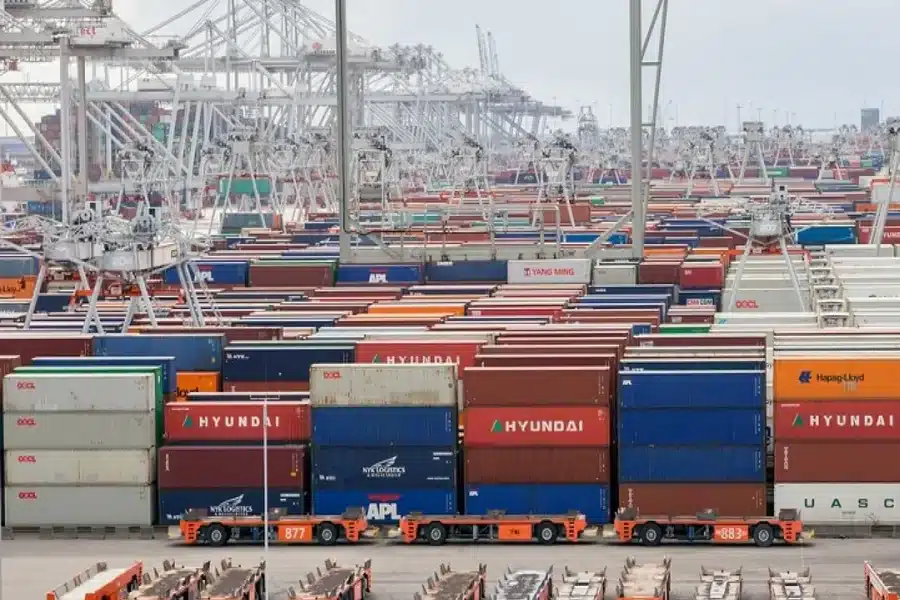
California’s highways are carrying more than traffic—they are carrying the weight of America’s growing demand for instant delivery. A new study by John Foy & Associates has found that California ranks first in the U.S. for truck crashes, recording an alarming 11,256 incidents in a single year.
From Amazon packages to grocery drop-offs, the explosion of e-commerce has reshaped consumer habits and the freight industry alike. With 247 million Americans shopping online annually and generating $1.24 trillion in digital sales, fleets from UPS, FedEx, Amazon, and Walmart are under enormous pressure to deliver faster than ever. But the convenience comes at a price: thousands of preventable injuries and deaths on U.S. roads.
Why California Leads the List
California’s sheer size and role as a shipping gateway make it especially vulnerable to trucking-related crashes. Its dense population, sprawling freeways, and major shipping ports create constant movement of goods across the state. Nearly 9,600 of California’s crashes involved another moving vehicle, underscoring the difficulty of operating massive delivery trucks alongside passenger cars in congested cities such as Los Angeles, Oakland, and San Diego.
The situation is particularly acute on highways like the I-5 and I-10, two of the busiest freight corridors in the country. These roads connect ports, warehouses, and cross-country routes, carrying thousands of trucks daily. Combined with California’s urban sprawl and reliance on long commutes, the conditions are ripe for high crash volumes.
The study also highlights the role of major carriers. Nationwide, UPS, FedEx, Amazon, and Walmart fleets were linked to 5,795 crashes, with UPS alone responsible for 2,483 incidents. Safety experts warn that the race to meet same-day or next-day delivery guarantees often drives unsafe practices, including drivers working beyond federally recommended limits or skipping essential vehicle maintenance to keep trucks on the road.
A Nationwide Challenge
While California stands out, the report shows that dangerous trucking trends extend far beyond its borders. Other states are struggling with their own unique risks:
- Florida (8,456 crashes): The combination of high tourism traffic, seasonal residents, and growing e-commerce creates congestion that often turns deadly.
- Georgia (7,596 crashes): Atlanta’s status as a national distribution hub, with sprawling warehouse districts, contributes heavily to the state’s totals.
- Pennsylvania (6,288 crashes): With nearly 1,000 fixed-object collisions, the state has the highest in the nation, pointing to challenges with aging infrastructure and narrow freight corridors.
- Illinois (5,853 crashes): Chicago is a freight powerhouse, and icy winters add another layer of risk. The state recorded 644 off-road incidents, many likely tied to poor weather conditions.
- North Carolina (5,401 crashes): Rural roads and last-mile delivery routes were reflected in 775 off-road incidents, showing how the risks extend beyond urban centers.
- Missouri (5,082 crashes): The data shows an unusual pattern: only 12 crashes involving another vehicle, but over 5,000 listed as “other circumstances,” raising questions about reporting standards.
- Virginia (4,716 crashes): As a state crisscrossed by major interstates like I-81 and I-95, Virginia logged over 700 off-road incidents, suggesting driver fatigue and pressure to keep up with delivery schedules.
- Michigan (4,548 crashes): Harsh winters make trucking especially dangerous, with 306 off-road events linked to icy or snowy conditions.
- New Jersey (4,540 crashes): Dense urban delivery networks contributed to 314 fixed-object collisions and 173 parked-vehicle crashes.
Taken together, the top 10 states account for tens of thousands of crashes annually, illustrating that this is not just a California problem but a systemic issue linked to America’s changing economy.
The Human Cost Behind the Numbers
The statistics behind these crashes are sobering. In just one year, trucking accidents across the U.S. caused 153,452 injuries and 5,472 deaths. Beyond the numbers are families who lose loved ones, survivors left with life-altering injuries, and communities dealing with the ripple effects of major roadway collisions.
Several factors stand out as key contributors:
- Driver Fatigue: With tight delivery windows, drivers often push past safe limits, reducing reaction time and increasing mistakes.
- Maintenance Violations: Trucks that run continuously without proper servicing pose risks not only to drivers but also to everyone on the road.
- Contractor Reliance: Many companies outsource deliveries to third-party contractors, raising questions about oversight, training, and accountability.
- Urban Congestion: Navigating large trucks in city environments leaves little margin for error, especially when drivers are rushed.
These risks are compounded during peak shopping periods such as Black Friday, the holiday season, and Amazon Prime Day, when delivery volumes spike and companies bring on even more temporary or contracted drivers.
What Comes Next
The findings from John Foy & Associates make one thing clear: the rapid growth of e-commerce is colliding with public safety on America’s highways. Unless stronger regulations, infrastructure investments, and corporate accountability measures are put in place, experts warn that crash rates will continue to climb.
Potential solutions include:
- Stricter enforcement of rest requirements to combat driver fatigue.
- Investment in road infrastructure, especially freight-heavy corridors.
- Stronger oversight of third-party contractors to ensure consistent safety standards.
- Technology adoption, such as collision-avoidance systems and telematics, to reduce human error.
California, already the nation’s leader in truck collisions, may serve as a bellwether for how the rest of the country balances the need for speedy delivery with the need for safe roads.
As the study concludes, the true cost of convenience is not measured in dollars, but in lives. For policymakers, industry leaders, and consumers alike, the challenge is to make sure that America’s growing appetite for fast delivery does not continue to come at such a high price.