
Seasonal Maintenance After HVAC Installation
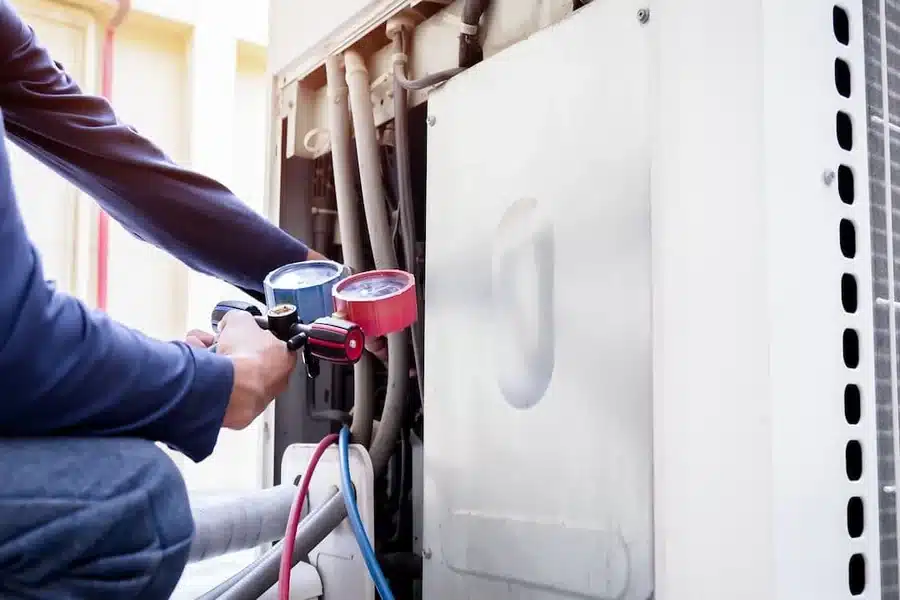
After having a new heating, ventilation, and air conditioning (HVAC) system installed, the focus shifts to preserving its performance and longevity through seasonal maintenance. An HVAC system represents a significant investment in year‑round comfort, and routine care helps ensure that it continues to operate efficiently and reliably as seasons change. We will explore key tasks and considerations that property owners should prioritize after installation to keep systems running smoothly. Seasonal maintenance isn’t just about cleaning filters; it involves comprehensive attention to mechanical components, airflow, safety systems, and environmental impacts. Regular check‑ups promote energy savings, reduce the likelihood of sudden breakdowns, and maintain healthy indoor air quality. With a consistent maintenance rhythm, homeowners can avoid costly repairs and enjoy consistent comfort throughout the year.
Key Tasks for Seasonal HVAC Maintenance
1. Spring System Preparation
As temperatures begin to rise in spring, preparing your HVAC system for cooling mode is critical. Consulting a Peoria AZ HVAC contractor can help ensure that all components are functioning properly. Start by inspecting and replacing air filters if they appear dirty or clogged, as clean filters allow for optimal airflow and system efficiency. Next, examine outdoor units for debris such as leaves, grass clippings, and dirt, which can restrict airflow and cause the system to work harder than necessary. It’s also important to check refrigerant lines for signs of wear or damage and ensure the insulation around them remains intact. A thorough spring check‑in should include a functional test of the thermostat to confirm it switches properly between heating and cooling modes. Ensuring these elements are addressed early in the season helps prevent mid‑summer cooling issues and keeps energy costs in check.
2. Summer Performance Checks
Once summer is in full swing and your air conditioning is running regularly, seasonal maintenance becomes about monitoring performance and addressing small issues before they escalate. Routine visual inspections of the indoor and outdoor units can help you spot abnormalities like unusual noises, vibrations, or leaks. Pay attention to how your system responds to thermostat settings; if it runs excessively without achieving the desired temperature, there may be an underlying airflow or refrigerant issue. Periodically cleaning the coils, both evaporator and condenser, ensures that heat exchange remains efficient. Additionally, checking the condensate drain line for clogs or algae buildup prevents moisture backup, which can cause water damage and indoor humidity problems. Performing these checks in summer helps preserve comfort and reduce energy waste during peak cooling demand.
3. Fall Transition Tasks
As summer wanes and temperatures shift toward cooler weather, maintenance focus shifts from cooling to heating preparation. Begin by reversing thermostat settings to test heat mode, ensuring the system activates and functions as expected. Check and replace filters if they appear worn after heavy use during the cooling season. Inspect the ductwork and vents to confirm there are no blockages or disconnections that could hamper warm-air distribution. It’s also a good time to check safety controls, such as carbon monoxide detectors, if your system includes a furnace, and ensure they are operational and within their service life. Cleaning or vacuuming registers and duct openings removes accumulated dust and debris that may have built up over the summer. These fall tasks lay the groundwork for smooth winter operations and help catch issues before they become urgent.
4. Winter Readiness and Operational Checks
Winter brings a demand for reliable heating, and thorough seasonal maintenance helps your HVAC system meet this challenge. Begin by testing the heating components early in the season before temperatures drop significantly. Check ignition systems, burners, and heat exchangers for proper function and cleanliness; any soot or buildup can reduce performance and pose safety hazards. Clear any debris or snow from outdoor units to ensure they can exchange heat efficiently. Inspect insulation on exposed pipes to prevent freezing, which can damage components and cause energy loss. Additionally, verify that programmable thermostats have the correct date and time settings for efficient schedule adherence. Regular monitoring of system performance during cold snaps helps ensure that warm-air delivery remains consistent and that any anomalies are addressed promptly before they escalate.
5. Airflow and Indoor Air Quality Maintenance
Across all seasons, maintaining good airflow and indoor air quality is crucial for comfort and system health. Regularly checking and updating filters is only one aspect; the overall air distribution pathway must be considered. Ensure that vents and registers throughout the home remain unobstructed by furniture or drapes, as blocked airflow can strain the system and create uneven temperature zones. Periodic duct inspections help identify holes, disconnections, or excess dust, all of which can reduce efficiency and introduce contaminants into living spaces. Indoor humidity levels should be monitored, particularly during winter when air becomes dry; appropriate humidification can improve comfort and protect furnishings. Seasonal maintenance of airflow systems also includes checking fans and blower assemblies for dirt buildup, as such buildup can hinder performance and increase energy consumption. A balanced approach to airflow and air quality promotes healthier indoor environments year‑round.
After installation, ongoing seasonal maintenance becomes a rhythm that supports consistent HVAC performance, energy savings, and lasting comfort. Addressing seasonal transitions methodically—preparing for cooling in spring, monitoring performance in summer, shifting tasks in fall, and ensuring readiness for winter—builds a resilient operation for your system. Equally important are efforts that span all seasons, such as maintaining airflow, managing indoor air quality, tracking maintenance history, and incorporating professional assessments into your schedule.
Seasonal maintenance after HVAC installation is an ongoing commitment to performance, comfort, and energy efficiency. Thoughtful upkeep not only preserves system health but also enhances indoor living conditions. Establishing a clear maintenance rhythm, observing system behavior, and integrating professional reviews into your schedule contribute to lasting performance and peace of mind. Embracing these seasonal tasks ensures your HVAC system continues to support comfort and functionality throughout the year.