
How an HVAC Contractor Balances Comfort and Efficiency in Modern Homes
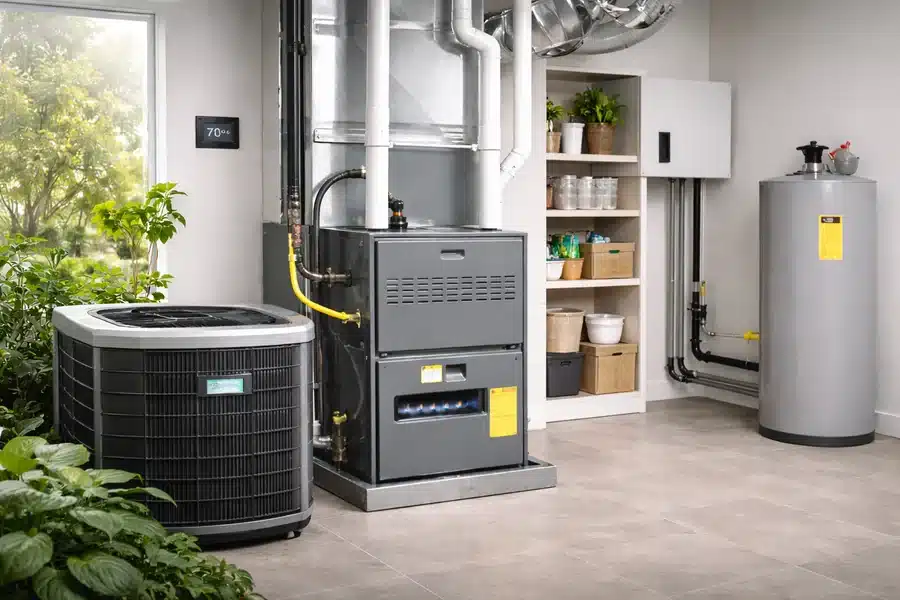
Modern homes depend heavily on heating, ventilation, and air conditioning systems that deliver comfort while promoting responsible energy use. An HVAC contractor plays a central role in designing, installing, and fine-tuning systems to keep indoor environments stable throughout changing seasons. Achieving this balance requires attention to airflow, equipment sizing, insulation quality, and smart controls that respond to household needs. When systems are planned correctly, homeowners enjoy steady temperatures without excessive energy consumption or frequent repairs.
The goal is to create living spaces that feel comfortable while keeping utility demands reasonable through thoughtful system design and adjustments that support long-term performance.
Balancing Comfort and Efficiency in Homes
-
System Design and Home Layout
A well-planned HVAC system begins with an understanding of a home’s structure and layout. Every room has different heating and cooling needs depending on size, window placement, insulation levels, and usage patterns. An HVAC contractor evaluates these factors to determine how air should move through the space, ensuring consistent temperature distribution. Proper duct placement and equipment selection reduce strain on the system and prevent uneven heating or cooling.
In modern homes, open floor plans present both opportunities and challenges: air can circulate freely, but the balance may be lost if not carefully managed. Attention is paid to return-air pathways and supply vents to ensure each room receives appropriate airflow. This planning stage influences long-term efficiency and comfort, helping systems operate smoothly without unnecessary energy waste or frequent adjustments. A balanced design ensures that no area feels too warm or too cold during daily use throughout the year.
-
Energy Efficiency Through Smart Controls
Modern HVAC systems increasingly rely on smart technology to maintain balance between comfort and energy use. Programmable thermostats, zoning systems, and occupancy sensors allow homeowners to adjust indoor conditions based on real-time needs rather than constant manual changes. These technologies help reduce unnecessary operation of heating and cooling equipment, thereby lowering energy consumption while maintaining stable indoor temperatures. Contractors often integrate these systems during installation or upgrades to ensure compatibility with existing equipment.
In some regions, such as Platte City, climate variability makes adaptive control systems particularly useful for maintaining comfort across seasonal shifts. Data-driven adjustments allow systems to respond more precisely to household routines, ensuring rooms are conditioned only when needed. Over time, these controls extend system lifespan by reducing strain on equipment from continuous operation, supporting both comfort and efficient energy use in daily living environments.
-
Airflow Management and Indoor Balance
Proper airflow is one of the most important elements in achieving a balanced indoor environment. HVAC contractors carefully evaluate how air moves through duct systems to ensure that each room receives consistent heating and cooling. Uneven airflow can lead to hot and cold spots, making living spaces uncomfortable and inefficient. Adjustments such as resizing ducts, sealing leaks, and optimizing vent placement help improve circulation throughout the home. In modern construction, energy-efficient materials can sometimes restrict airflow, making professional assessment even more important.
Balanced air distribution also supports healthier indoor air quality by reducing stagnant zones where dust and moisture may accumulate. When airflow is properly managed, systems operate with less strain, which helps reduce energy use and extend equipment lifespan. This careful coordination between design and function allows homes to maintain stable indoor conditions that support comfort and efficiency across seasons and usage patterns.
-
Equipment Sizing and System Matching
Selecting properly sized HVAC equipment is essential for maintaining both comfort and energy efficiency in modern homes. When systems are too large, they cycle on and off frequently, leading to uneven temperatures and increased wear. When they are too small, they struggle to meet demand, causing continuous operation and higher energy use. HVAC contractors assess factors such as square footage, insulation quality, and window exposure to determine the appropriate capacity for each home. Matching equipment with the right ductwork and control systems ensures smooth operation and consistent performance.
Modern homes benefit from precise calculations that take into account lifestyle habits and regional climate conditions. Proper sizing also reduces strain on components, helping systems operate more quietly and reliably over time. This careful alignment between equipment and home requirements supports long-term efficiency while maintaining comfortable indoor conditions throughout varying weather patterns and daily usage cycles across the entire living space.
-
Maintenance Practices for Lasting Performance
Regular maintenance plays a significant role in keeping HVAC systems efficient while preserving indoor comfort. Dust buildup, worn components, and minor leaks can gradually reduce system performance if not addressed. HVAC contractors recommend routine inspections that include cleaning coils, checking refrigerant levels, and inspecting duct integrity. These practices help identify small issues before they develop into larger problems that affect comfort and energy use. Well-maintained systems tend to operate more smoothly and use less energy to achieve desired temperature levels.
Maintenance also contributes to better air quality by ensuring filters and ventilation paths remain clear. In modern homes, where systems often run for extended periods, preventive care becomes even more important for sustaining efficiency. Attention to regular upkeep supports longer equipment lifespan and more stable performance, allowing homeowners to enjoy consistent comfort without unexpected disruptions or costly repairs throughout the changing seasons and daily household routines.
-
Indoor Comfort and Environmental Stability
Maintaining stable indoor conditions requires careful coordination between heating, cooling, and ventilation systems. HVAC contractors focus on ensuring that temperature, humidity, and air quality remain within comfortable ranges regardless of outdoor changes. This balance is achieved through proper system design, responsive controls, and consistent airflow management. In modern homes, environmental stability is closely tied to energy efficiency, as systems must adapt quickly without excessive energy consumption. Factors such as insulation quality, building materials, and occupancy patterns all influence how effectively a home retains comfortable conditions.
When systems operate in harmony with these elements, indoor environments feel more consistent and pleasant throughout the day. Achieving this stability also reduces stress on equipment, allowing for smoother operation and fewer fluctuations. The result is a living space that supports comfort, health, and efficient energy use across seasons and daily activities, in a dependable, controlled manner.
Balancing comfort and efficiency in modern homes depends on thoughtful HVAC planning, careful installation, and ongoing system management. Every component, from equipment sizing to airflow distribution and smart controls, contributes to creating stable indoor environments. When these elements work together, homeowners experience consistent temperatures while avoiding unnecessary energy use.
Regular maintenance and proper adjustments further support system performance over time, ensuring reliability through changing weather conditions. The role of HVAC contractors remains important in guiding these processes so that homes remain comfortable, efficient, and sustainable. This balance supports both everyday quality of life and responsible energy consumption over the long term.