
How Electrical Problems Cause Sudden Air Conditioner Malfunctions
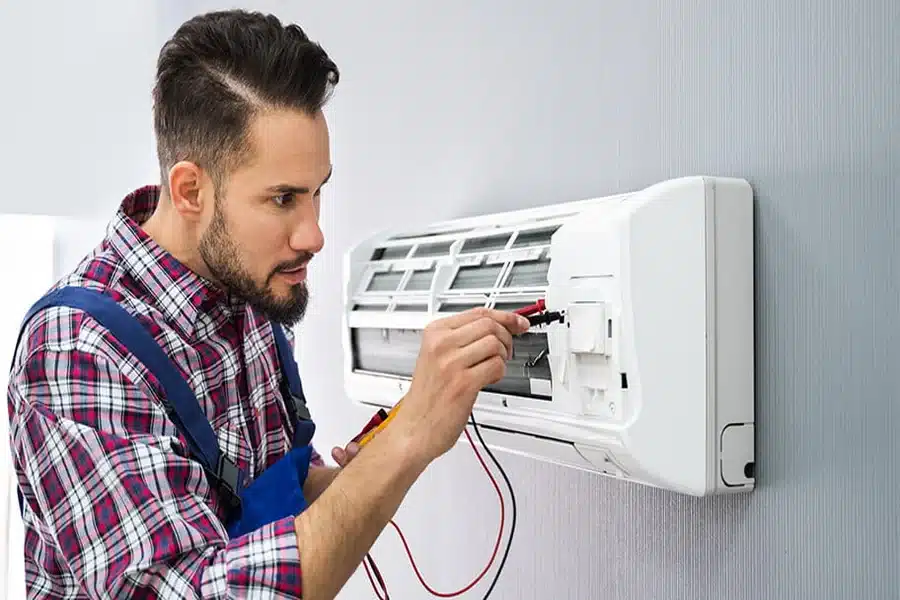
Modern air conditioning systems rely heavily on stable electrical flow to function properly, yet many homeowners overlook how sensitive these systems are to even minor electrical disturbances. When voltage fluctuates, wiring weakens, or components fail, an air conditioner can stop working without warning, often during peak heat periods.
These sudden breakdowns are frequently mistaken for mechanical issues, when in reality the root cause is electrical. Understanding how electrical problems disrupt cooling systems helps explain unexpected malfunctions. This discussion examines how electrical irregularities affect performance, damage components, and cause system failures in various environments.
How Electrical Issues Impact AC Units
-
Voltage Fluctuations and System Stress
One of the most common electrical problems affecting air conditioners is an unstable voltage supply, which can immediately stress internal components. When voltage rises or drops suddenly, the compressor and control board may struggle to regulate power distribution, leading to irregular operation or an immediate shutdown. Over time, repeated exposure to these fluctuations weakens insulation within wiring and reduces the efficiency of key components that depend on steady current flow. Even brief disturbances can trigger safety responses in the system, causing it to shut down to prevent further damage.
In some cases, the unit may repeatedly attempt to restart, creating additional strain that shortens its operational life. Electrical instability does not always originate from the unit itself; it can also come from the broader electrical grid or household circuits. This makes diagnosis challenging without proper inspection, as symptoms often mimic mechanical failures while the underlying issue is electrical.
-
Wiring Failures and Hidden Risks
Faulty or deteriorating wiring is another major contributor to sudden air conditioner malfunctions, often developing gradually before causing noticeable disruption. Loose connections, corroded terminals, or damaged insulation can interrupt the steady flow of electricity required for proper cooling operation. When this happens, the system may behave unpredictably, switching off without warning or failing to start entirely. In more severe cases, arcing within damaged wires can create localized heat buildup, increasing the risk of component burnout or internal short circuits. These issues are particularly concerning because they are not always visible during routine observation and may remain hidden behind panels or within wall conduits.
Greenville, SC, Air Conditioner Repair situations frequently involve identifying such concealed wiring faults, as they can easily be mistaken for compressor or thermostat problems. Addressing wiring issues early helps prevent cascading damage to other parts of the system, ensuring more stable operation during periods of high demand and reducing the likelihood of sudden breakdowns.
-
Capacitor and Start-up Issues
Capacitors play a crucial role in helping air conditioners start and maintain consistent operation, and electrical irregularities can quickly compromise their performance. When a capacitor weakens or fails, the compressor may struggle to start, leading to humming or repeated failed-start attempts. Electrical surges and inconsistent power supply can accelerate this deterioration, reducing the capacitor’s ability to store and release energy efficiently. Once this component is affected, the entire cooling process becomes unstable, often resulting in intermittent operation or complete shutdown.
In many cases, homeowners notice the system working briefly before stopping again, a classic sign of capacitor strain. Because capacitors are directly linked to the electrical startup cycle, even minor fluctuations can have a noticeable impact on performance. Over time, this repeated stress not only affects the capacitor but can also place additional load on the compressor, increasing the likelihood of broader system failure if not addressed promptly.
-
Circuit Breaker Trips and Overloads
Circuit breakers serve as a protective barrier between an air conditioning system and potential electrical hazards, but frequent tripping often indicates deeper issues. When an AC unit draws more current than the circuit is designed to handle, the breaker will trip to prevent overheating or fire. This can occur due to overloaded circuits, internal short circuits, or malfunctioning components that demand excessive electricity. While the breaker is performing its safety function, repeated tripping indicates that the underlying electrical problem remains unresolved. This pattern can disrupt cooling cycles, leaving indoor temperatures unstable and placing stress on other connected appliances.
In some situations, aging electrical panels or outdated home wiring may contribute to the issue, limiting the system’s ability to operate safely. If ignored, these overload conditions can gradually damage internal AC components, making the system more vulnerable to sudden shutdowns and reducing its overall reliability during peak usage periods.
-
Thermostat Electrical Communication
The thermostat serves as the communication center between the user and the air conditioning system, using low-voltage electrical signals to regulate cooling cycles. When electrical issues interfere with this communication, the system may fail to respond accurately to temperature settings or turn on and off at incorrect times. Faulty wiring between the thermostat and the main unit can disrupt signal transmission, leading to inconsistent performance and unpredictable indoor temperatures. In some cases, electrical interference from nearby devices or damaged control boards can further distort these signals.
This breakdown in communication often results in confusion, as the system may appear to be functioning but fails to maintain proper cooling cycles. Because thermostats rely on precise electrical signals, even minor disruptions can noticeably affect overall comfort. Ensuring stable connections and clean wiring pathways is essential to maintaining accurate control and preventing unnecessary strain on the air conditioning system.
-
Motor and Fan Electrical Strain
Air conditioner motors and fans rely on continuous electrical power to circulate air and maintain cooling efficiency throughout the system. When electrical problems arise, these components may experience uneven power delivery, causing them to slow down, overheat, or stop functioning entirely. A weakened motor may struggle to maintain consistent airflow, leading to uneven cooling and increased energy consumption. Electrical surges can also damage internal windings, reducing the motor’s ability to operate smoothly over time. Fans, which depend on steady rotation to distribute cooled air, can become noisy or inefficient when electrical input is unstable.
This imbalance not only affects comfort but also places additional strain on other parts of the system as it compensates for reduced airflow. Over time, continued electrical stress can lead to permanent motor failure, resulting in costly repairs and extended downtime during hot conditions when reliable cooling is most needed.
Restoring Stability in Cooling Systems
Electrical problems remain one of the most disruptive causes of sudden air conditioner malfunctions, often affecting multiple components at once. From voltage fluctuations to wiring issues and overloaded circuits, these disturbances can compromise system performance without immediate warning. Addressing the root electrical causes rather than only the visible symptoms is essential for restoring long-term stability.
When electrical flow is consistent and components are properly maintained, air conditioners are far less likely to experience unexpected shutdowns. Paying attention to early warning signs such as irregular cycling, unusual noises, or inconsistent cooling can help prevent more serious damage. A stable electrical foundation ensures that all parts of the system work together efficiently, supporting reliable performance even during periods of heavy use.