
When Might an HVAC Contractor Recommend Repair Instead of Replacement?
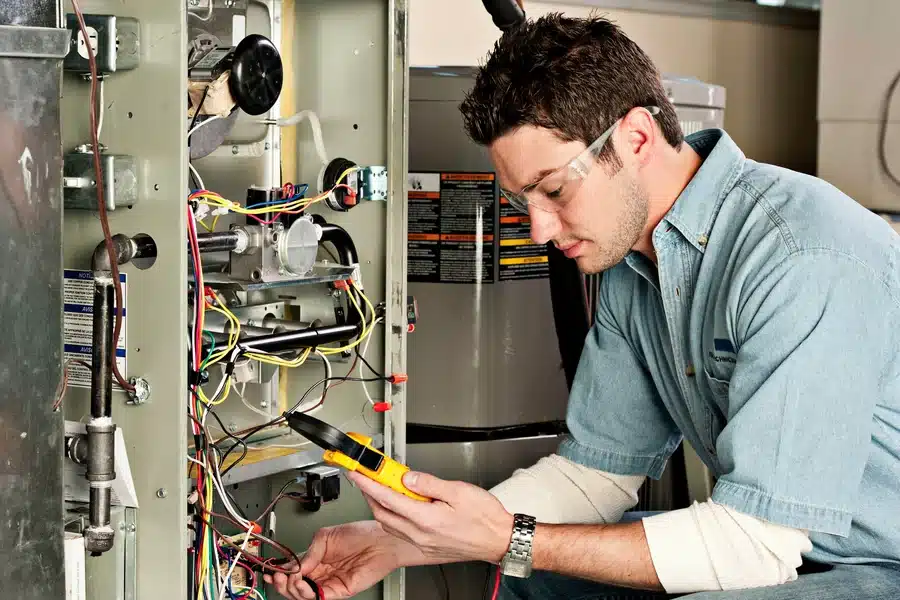
Homeowners often assume that a struggling heating or cooling system automatically means replacement is the only sensible path. In reality, there are many situations where repair still makes more sense. An HVAC contractor usually considers the condition of the equipment, the age of the unit, the type of failure, and how the system has performed over time before recommending one option over another. A thoughtful recommendation is usually based on whether the current system can continue running reliably after the issue is corrected. When the problem is limited, the equipment still has useful life left, and repair costs remain reasonable, repair may be the more practical decision.
What Shapes the Recommendation
-
When the Problem Is Isolated and Repairable
One of the most common reasons an HVAC contractor may recommend repair rather than replacement is that the issue is limited to one part of the system rather than the whole system. If the unit has been cooling or heating the home properly overall and suddenly develops a problem with a capacitor, contactor, fan motor, thermostat, or ignition-related component, replacing the entire system may be unnecessary. In these cases, the contractor assesses whether the failed part can be replaced without affecting the equipment’s long-term performance. A repair often makes sense when the system has not shown repeated breakdowns and the current problem is clear, contained, and unlikely to trigger a chain of new failures. Contractors also consider whether airflow, energy use, and comfort levels were stable before the issue appeared. If the answer is yes, repair can restore the system to a solid working condition without the higher cost and disruption of a full replacement. This is especially true when the rest of the equipment remains structurally sound and has been maintained regularly.
-
When the Equipment Still Has Useful Life Left
Age plays a major role in the decision, but age alone does not always mean replacement is necessary. A system several years old but still operating efficiently may be worth repairing if the current issue is manageable and the equipment has years of service left. An HVAC contractor usually considers how the system has performed season after season, whether repairs have been rare or frequent, and whether the unit is still meeting the home’s heating or cooling demands without constant strain. Homeowners sometimes begin searching for related service terms, such as Air Conditioner Installation in Sandy, UT, when they notice a performance issue, but that does not always mean installation is the most appropriate next step. If the system has not reached the point where major internal wear is affecting daily comfort, repair may remain the more sensible route. A contractor is often more likely to recommend repair when the equipment has a steady service history, replacement parts are available, and the overall system remains compatible with the home’s size and layout.
-
When Repair Costs Stay Proportionate
Cost is another major factor, but it is not only about picking the lower number at the moment. An HVAC contractor assesses whether the repair cost is proportionate to the value of the system’s remaining life. If one repair can return the equipment to dependable operation for several more years, it may be easier to justify than replacing the entire unit immediately. This is especially true when the issue does not involve the compressor, heat exchanger, or another major component that may signal broader wear. Contractors also consider whether a repair solves the problem completely or simply delays another serious issue for a short time. If the expected result of the repair is stable performance, predictable operation, and restored comfort, repair often remains a reasonable recommendation. In many homes, a targeted repair allows the homeowner to continue using the current system while planning and budgeting more carefully for a later replacement. That kind of timing can matter when the system still performs well enough to avoid an urgent full changeout.
Repair Can Still Be the Smarter Move
An HVAC contractor may recommend repair over replacement when the problem is limited, the equipment still has a meaningful service life left, the repair cost remains reasonable, and the system continues to deliver dependable comfort. That recommendation is usually based on how the equipment has performed over time rather than on one symptom alone. Replacement becomes more likely when breakdowns become frequent, efficiency drops sharply, or major components begin failing in ways that suggest wider decline. Until that point, repair can still be the smarter move. A well-timed repair often restores performance, protects the homeowner’s budget, and allows more time to plan for replacement when it truly becomes necessary.