
The Connection Between Childhood Nutrition and Long-Term Oral Health
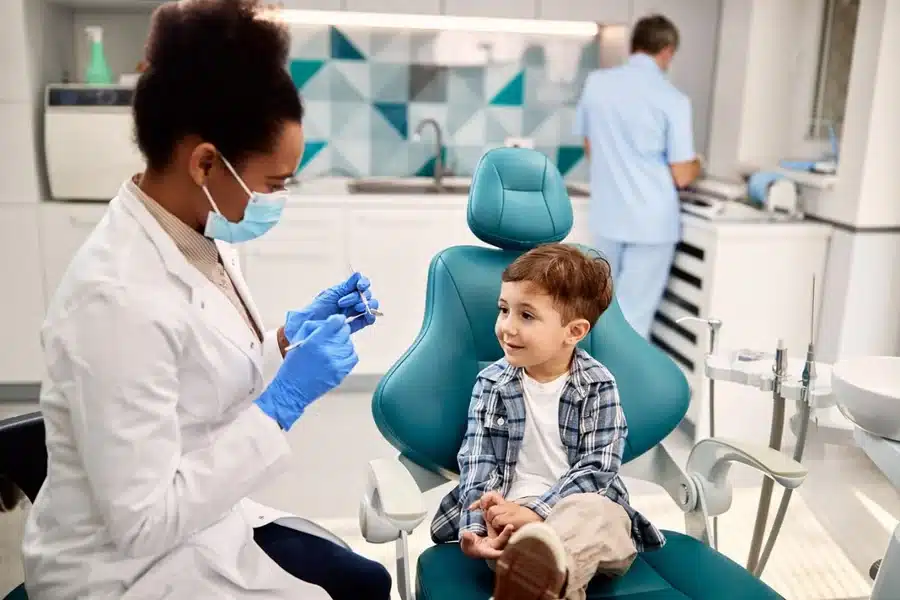
The nutrition children receive in the first thousand days – from conception to a child’s second birthday – plays a crucial role. Teeth are one of the body’s most metabolically active calcified tissue, constantly in a state of remineralization and demineralization. Without the necessary building blocks, they simply can’t form as they should.
Building a food environment that supports dental health
The shift from milk-based sustenance to a more solid diet isn’t just a biological change, it’s also an opportunity for parents to preventively influence a child’s oral health for the better. Establishing a relationship with a children dentist new town practice early means developmental milestones get monitored, and parents get specific nutritional guidance tailored to where their child is in the mineralization process.
Adolescence won’t be the first time they eat outside their parent’s direct control, but the dietary patterns being set now will often be the hardest to change later. Beyond age 2 or 3, it is difficult to rein a child off what dietary researchers describe as the “cariogenic diet” – rich in fermentable carbohydrates, and lacking the roughage that keeps plaque in check.
The two biggest changes are the frequency of consumption of fermentable carbohydrates (especially between meals) and the shift from fresh foods to frequent snacks and liquids other than water. It’s here, around this transition, that modern orthodontic and pediatric dental researchers believe our Paleolithic-designed jaws were actually least maladapted to civilization’s diet.
Raw apples, carrots, and celery act as what dentists sometimes call detergent foods – their texture mechanically cleans tooth surfaces during chewing and stimulates saliva production, which buffers acid and remineralizes enamel. Developmentally, they are the ideal sweets – fibrous carbohydrates and water encased in a bit of cellulose.
The mineralization window
From birth to around 12 years old, a child’s body is busily adding calcium and phosphorus to formative tooth structures beneath the gum. This is often called the mineralization process, and what goes on during it can’t be reversed.
When a child’s diet has low levels of calcium, vitamin D, or phosphorus throughout this time, the enamel that’s created may be structurally compromised. There’s a term for this: enamel hypoplasia – regions or stripes where the enamel is sparser, weaker, or indented. This isn’t just about looks. Hypoplastic enamel is more permeable and far more prone to acid erosion once the tooth emerges. The harm is already present even before the first cavity makes an appearance.
Vitamin D is especially critical in this period. It’s easy to forget about since it doesn’t directly produce enamel. It regulates how efficiently calcium is absorbed from our diet. A child could be eating enough calcium and still experience poor mineralization if they lack vitamin D. Vitamin K2 aids in this process by helping direct calcium towards the bone and teeth rather than soft tissue. These two vitamins are not given much importance in regular dietary talks, but they play an important role in a child’s oral health.
Frequency beats volume
Most parents are focused on the wrong thing. They focus on the amount of sugar consumed. But in the mouth, frequency is the more relevant variable.
Fermentable carbohydrates – sugars, refined starches and fruit juice – are converted to acid by bacteria within 20 minutes of entering the mouth. Acids demineralize enamel. The mouth takes up to an hour to neutralize acid and remineralize enamel. The more frequently acid is introduced, the more enamel is lost.
The enamel on newly erupted teeth and developing teeth is softer than mature adult enamel. It dissolves at a faster rate. This is why childhood cavities that get down into the nerve hurt more. The cavity can go from the surface to the nerve in 6 to 12 months in primary teeth. If you are swishing a sports drink with breakfast, lunch and dinner, you are repeatedly exposing your enamel to acid.
Baby teeth aren’t placeholders
Almost 530 million children are affected by caries in primary teeth. It’s a number we hardly question because we assume – generally as a society – that baby teeth don’t matter. After all, they fall out by themselves.
Until they fall out too early due to decay or infection. And then, a primary tooth that has been lost shifts the teeth around it into the empty space, so to speak. The new permanent tooth that was on its way is left with less space, and erupts crooked or rotated. To put it simply: severe malocclusion cases that require expensive orthodontic treatment in adolescents go back to preventable loss of primary teeth at a younger age.
But that’s just spacing. The roots of the primary teeth are in fact what’s helping permanent teeth find their right eruption path. No baby teeth – no guide. And that often means that permanent teeth get impacted, or crooked, and will require orthodontic intervention as well. All of this just because we chose to see childhood decay as a minor issue. A long term, orthodontic and health-insurance issue.
The long view on childhood dental health
The long-term health of teeth in adulthood has a lot to do with genetics, but also a lot to do with early childhood construction. This construction is mainly completed by the age of twelve. What a child eats, how often they eat, and whether their primary teeth are protected long enough to do their job – these are the main factors that determine whether an adult spends years correcting problems that started before they even knew they had teeth.