
How HVAC Contractors Improve HVAC System Lifespan Through Preventive Calibration Techniques
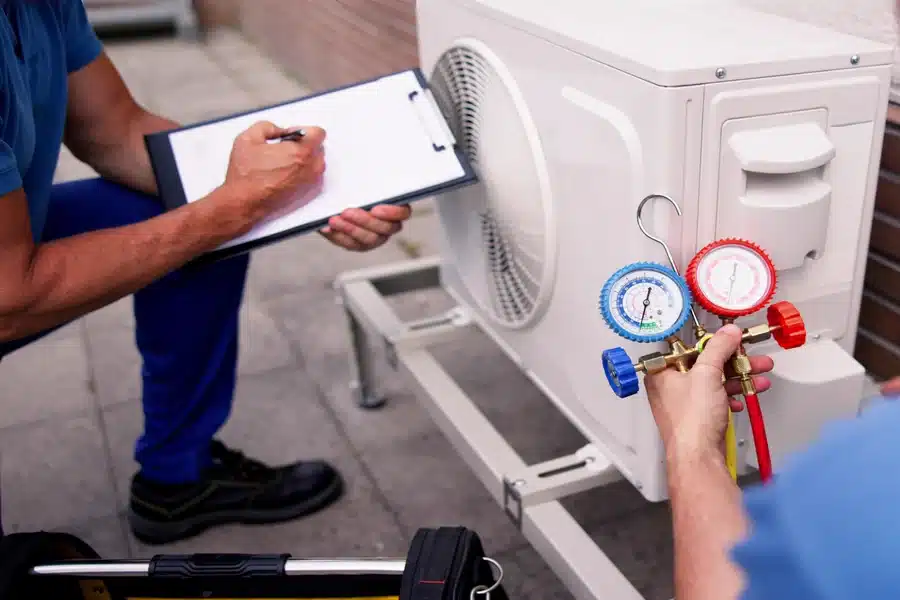
HVAC systems operate under constant mechanical and thermal stress, making long-term performance dependent on how well each component is maintained and adjusted. Preventive calibration plays a central role in ensuring that heating and cooling units function within optimal operating ranges, reducing strain on motors, compressors, and sensors. When airflow, temperature readings, and pressure levels remain properly aligned, the system avoids unnecessary cycling and energy waste.
Over time, this approach helps reduce wear-related failures and supports stable indoor comfort. Careful calibration routines also allow early detection of subtle performance shifts that might otherwise go unnoticed until major breakdowns occur.
Calibration Methods That Extend Equipment Life
Sensor Alignment and Performance Stability
One of the foundational elements of preventive calibration involves ensuring that sensors within the HVAC system deliver accurate readings. Temperature sensors, humidity monitors, and pressure gauges must reflect real conditions for the system to respond appropriately. When these components drift from their correct readings, the system may overcool, overheat, or cycle inefficiently, placing unnecessary stress on internal parts. Regular adjustments restore accuracy and maintain consistent communication between system components. In practice, calibration technicians evaluate sensor response times and compare outputs against standardized references.
This helps correct deviations before they influence overall performance. In residential and commercial systems alike, stability in sensor feedback reduces operational irregularities and extends equipment lifespan. An HVAC contractor typically incorporates these calibration routines into scheduled maintenance plans to ensure systems remain balanced throughout seasonal transitions and changing environmental demands. Proper alignment of sensing components ultimately prevents long-term inefficiencies that can shorten equipment durability.
Airflow Regulation and Load Reduction
Airflow balance is another critical factor in preventive calibration techniques that contribute to HVAC longevity. When airflow is uneven or restricted, certain system components are forced to work harder than intended, increasing wear on fans, coils, and compressors. Calibration processes address this by measuring air distribution across vents, ducts, and return pathways to ensure consistent movement throughout the system. Adjustments to dampers, fan speeds, and blower settings help restore equilibrium and reduce mechanical strain.
Over time, balanced airflow also prevents hot and cold spots, which can cause repeated system cycling and unnecessary energy consumption. Technicians often evaluate duct resistance and airflow velocity to identify irregularities that may not be immediately visible. Correcting these issues early allows the system to operate under ideal load conditions, preserving internal components and supporting long-term durability without excessive strain on any single part.
Thermostat Synchronization and Control Accuracy
Thermostat calibration ensures that the system responds correctly to user input and environmental changes. When thermostats are misaligned or their readings are outdated, HVAC systems may activate too frequently or fail to respond at the appropriate time. Preventive calibration techniques involve testing thermostat accuracy against external temperature readings and adjusting internal settings to maintain synchronization. This process helps avoid unnecessary start-stop cycles that place stress on compressors and electrical components. In modern systems, digital thermostats also require firmware checks and configuration reviews to ensure proper communication with the main unit.
Accurate control signals allow the HVAC system to maintain stable indoor conditions without excessive operational fluctuations. Over time, this reduces wear and contributes to a smoother operational rhythm. Proper thermostat alignment also improves energy efficiency, ensuring that heating and cooling output matches actual environmental demand without overcompensation.
Refrigerant Pressure Balancing for System Protection
Maintaining correct refrigerant pressure is essential for preventing long-term damage to HVAC components. Calibration techniques in this area involve measuring both the high- and low-pressure sides of the system to ensure they remain within acceptable operating ranges. If pressure levels are too high or too low, the compressor must work harder, increasing the risk of overheating and mechanical failure. Adjustments may include correcting refrigerant charge levels, inspecting expansion valves, and evaluating coil performance. These calibration steps ensure that heat exchange occurs efficiently and consistently.
Proper pressure balance also reduces strain on the compressor, which is often the most expensive component to replace. When maintained correctly, the entire cooling cycle operates more smoothly, reducing energy waste and mechanical stress. Over time, consistent pressure regulation significantly extends the service life of major system components by minimizing operational extremes that lead to premature wear.
Electrical Calibration and Component Protection
Electrical calibration focuses on ensuring that voltage, current, and circuit connections remain within safe operating parameters. HVAC systems rely heavily on electrical components such as relays, capacitors, and control boards, all of which can degrade if exposed to irregular power conditions. Preventive calibration includes testing electrical continuity, tightening connections, and measuring load distribution across circuits. These adjustments help prevent overheating, short cycling, and inconsistent system behavior. Electrical imbalances are often subtle but can gradually reduce system reliability if left uncorrected.
By maintaining stable electrical flow, technicians reduce stress on sensitive components and improve overall system responsiveness. This process also helps identify early signs of electrical wear, allowing replacements or corrections before failure occurs. Over time, consistent electrical calibration reduces unexpected breakdowns and supports a more stable operational environment for the entire HVAC system.
Fan and Motor Speed Optimization
Fan and motor performance directly affects how efficiently air and heat are distributed throughout a building. Preventive calibration ensures that rotational speeds remain aligned with system design specifications. If motors operate too quickly or too slowly, they can generate excessive heat, vibration, or uneven airflow distribution. Calibration procedures involve measuring RPM levels and adjusting control settings to maintain smooth operation. Bearings, belts, and motor housings are also evaluated to ensure they are not contributing to resistance or imbalance.
When fan systems operate within correct parameters, the entire HVAC system experiences reduced mechanical stress and improved energy distribution. This balanced operation helps extend motor lifespan and prevents early wear caused by friction or overheating. Proper speed calibration also reduces noise levels and improves comfort consistency across different indoor zones.
Preventive calibration techniques play a critical role in extending the operational lifespan of HVAC systems by maintaining balance across mechanical, electrical, and control components. When sensors, airflow, refrigerant levels, and electrical systems remain properly aligned, the entire unit operates under reduced strain and improved stability. This structured approach helps prevent minor inefficiencies from developing into major system failures.
Over time, consistent calibration supports smoother performance, lower energy consumption, and fewer unexpected breakdowns. It also ensures that each component functions within safe limits, reducing long-term wear and preserving system integrity. By focusing on ongoing adjustments rather than reactive repairs, HVAC systems maintain reliability and durability across extended service periods.