
The Complete Guide to Custom Printed T-Shirts
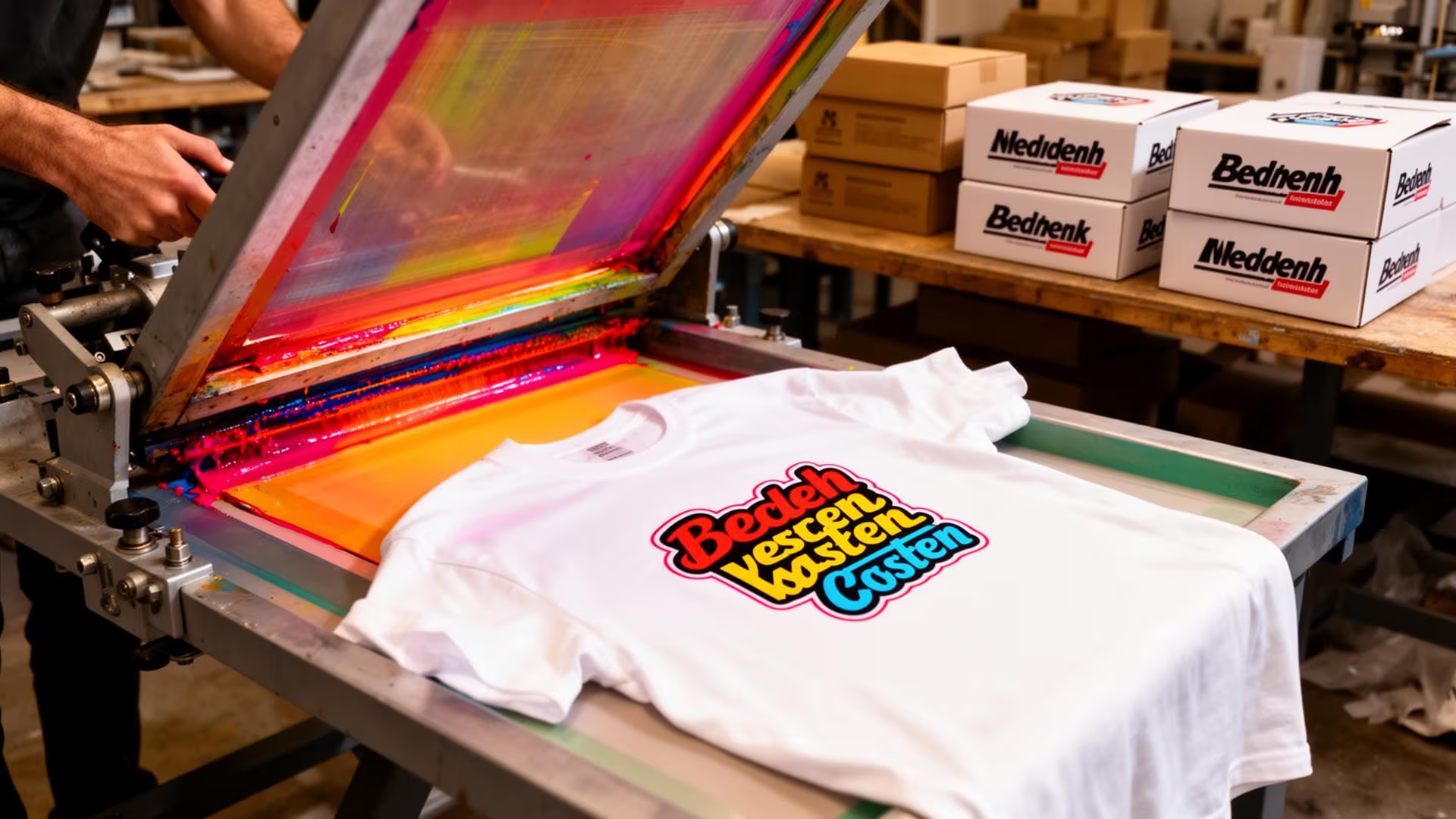
Looking for high-quality branded printed T-Shirts? Read on to learn everything about the craft, the methods, and how to get the best results.
Custom printed t-shirts have evolved from a niche novelty into one of the most powerful tools for self-expression, brand building, and community identity. Whether you’re a small business owner, an event organizer, a band, or simply someone who wants to wear something one-of-a-kind, understanding how t-shirt printing works can help you make smarter choices and avoid costly mistakes.
Why Printed T-Shirts Remain So Popular
There is something universally appealing about a t-shirt. It is comfortable, affordable, and walks around as a mobile billboard. Unlike a static advertisement, a well-designed shirt is worn voluntarily, which means people actually want to display your message. A study of promotional products consistently shows that apparel generates more brand impressions over its lifetime than almost any other giveaway item, simply because a shirt can last for years.
For businesses, this translates into long-term, low-cost marketing. For individuals, it means the freedom to wear ideas, art, and humor that no mass retailer would ever stock.
Understanding the Main Printing Methods
Not all printing is created equal. The method you choose affects durability, color vibrancy, cost, and the minimum quantity you can order. Here are the four techniques that dominate the industry.
- Screen printing is the classic workhorse. Ink is pushed through a fine mesh stencil onto the fabric, one color at a time. It produces bold, durable prints and becomes remarkably cheap per unit at high volumes. The trade-off is setup cost: each color requires its own screen, so it rarely makes sense for one-off shirts or designs with dozens of colors.
- Direct-to-garment (DTG) printing works like an inkjet printer for fabric. It excels at photographic detail and complex, multicolored artwork with no setup fees, making it ideal for small batches and single shirts. The downside is a higher per-unit cost at scale and slightly less punch on dark garments unless a white underbase is applied.
- Heat transfer vinyl (HTV) involves cutting a design from colored vinyl and pressing it onto the shirt with heat. It is perfect for names, numbers, and simple bold graphics, which is why you see it on sports jerseys. It is less suited to intricate or photographic designs.
- Sublimation chemically bonds dye into polyester fibers, producing prints that never crack or fade because they become part of the fabric itself. The catch is that it only works on light-colored, polyester-heavy garments.
Choosing the Right Fabric
The shirt itself matters as much as the print. 100% cotton offers softness and breathability and takes screen-printed ink beautifully, though it can shrink and wrinkle. Polyester is durable, moisture-wicking, and essential for sublimation, but can feel less natural against the skin. Cotton-poly blends (often 50/50 or tri-blends) try to capture the best of both worlds: softness, reduced shrinkage, and a vintage drape that many people love.
Pay attention to fabric weight, measured in grams per square meter (GSM). Lightweight shirts feel airy but can be slightly see-through, while heavier shirts feel premium and last longer.
Design Tips That Make a Difference
A great print starts with a great file. Always supply artwork in high resolution, ideally as a vector file for logos and text so it can scale to any size without becoming pixelated. Keep an eye on color modes: screens display in RGB, but most printing uses CMYK or specific spot colors, so what you see on a monitor may shift slightly in print.
Less is often more. Designs with too many tiny details can lose clarity once printed on textured fabric. Consider the placement carefully too. A standard chest print sits roughly a hand’s width below the collar, while oversized or sleeve prints can create a more fashion-forward look.
Caring for Printed Shirts
To extend the life of any print, turn the shirt inside out before washing, use cold water, and avoid harsh detergents and bleach. Tumble drying on low or, better yet, air drying prevents the heat damage that causes cracking and peeling. Ironing directly over a print is a common mistake; place a cloth over it or iron from the reverse side instead.
Final Thoughts
Custom printed t-shirts sit at the intersection of art, technology, and everyday utility. By matching the right printing method to your design, choosing a fabric suited to your purpose, and preparing your artwork properly, you can create shirts that look professional and survive years of wear. Whether you’re printing five shirts for a family reunion or five hundred for a product launch, a little knowledge goes a long way toward results you’ll be proud to wear.