
How to Calculate Tile Quantities for Your Renovation
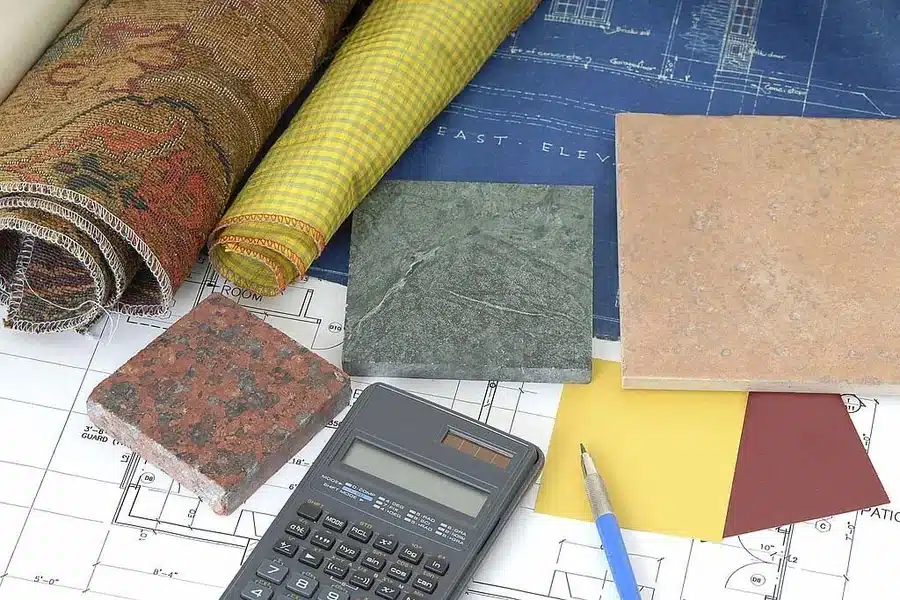
Renovating a bathroom, kitchen, or outdoor space often means working with tiles and one of the first challenges homeowners encounter is figuring out exactly how many they need. Getting your tile calculations right is essential for keeping your project on budget, avoiding unexpected delays, and achieving a clean, professional result. Ordering too few tiles can interrupt progress and increase costs, while buying too many may lead to unnecessary waste.
For Australian homeowners and tradies planning their next upgrade, knowing how to estimate tile quantities accurately can make the entire renovation process smoother. Resources like https://colortile.com.au/ can help you explore tile options while planning effectively. In this guide, you’ll learn how to calculate tile quantities with confidence, considering tile dimensions, layout patterns, wastage allowances, and other important factors that impact your final numbers.
Measure the Area Accurately
The first step in calculating tile requirements is to measure the area to be covered. Use a tape measure to determine the length and width of the space. Multiply these two numbers to calculate the total area in square metres:
Area (m²) = Length (m) × Width (m)
For example, a bathroom floor that is 3 metres long and 2 metres wide has an area of 6 square metres. If tiling a wall, measure the height and width in the same way.
For irregular spaces or areas with alcoves, recesses, or curves, divide the space into smaller rectangles, calculate the area of each, and then sum the total.
Consider Tile Size
Tile dimensions directly influence the number of tiles required. Tiles are available in a wide range of sizes, from small mosaics (e.g., 100 × 100 mm) to large-format tiles (e.g., 600 × 600 mm). To determine how many tiles are needed, convert the tile dimensions into square metres:
Tile area (m²) = Length (m) × Width (m)
For instance, a 300 × 300 mm tile equals 0.3 m × 0.3 m = 0.09 m² per tile. Dividing the total area by the tile area gives the approximate number of tiles:
Number of tiles = Total area ÷ Tile area
Continuing the example, a 6 m² floor with 0.09 m² tiles requires roughly 67 tiles (6 ÷ 0.09 = 66.7). Always round up to account for cuts and adjustments.
Account for Waste
Tile cutting, layout adjustments, and breakage inevitably result in some waste. Industry standards suggest adding 5–15% extra tiles to your calculation, depending on the complexity of the layout:
- 5–7% – for straight, uniform layouts on square or rectangular floors.
- 10–15% – for diagonal, herringbone, or patterned layouts, or areas with many obstacles such as cabinets, doorways, or pipes.
For the previous example, adding 10% waste increases the required tiles to approximately 74 (67 × 1.10 = 73.7). Including waste ensures you have enough tiles for precise cuts and future repairs.
Consider Grout Lines and Spacing
Grout lines add extra spacing between tiles and slightly affect the number of tiles required. Wider grout lines reduce the number of tiles per square metre, while very narrow lines increase coverage. For standard floor or wall tiles with 3–5 mm grout lines, the effect is minor, but for smaller mosaic tiles or intricate designs, factor in the spacing.
Include Accent or Feature Tiles
Many renovations feature accent tiles, borders, or feature walls. When calculating quantities, separate these areas from the main tiling to ensure you order the correct amount. Measure the accent area and calculate its tile requirements individually, including additional waste for cuts.
Calculate for Odd Shapes and Cuts
Corners, edges, and cutouts around fixtures such as sinks, toilets, or outlets require additional tiles. Even with careful planning, cuts typically result in small offcuts that cannot always be reused. Plan for these by rounding up your total tile quantity or adding an extra 5% specifically for intricate areas.
Check Manufacturer Packaging
Tiles are sold in boxes containing a specific number of tiles or coverage area. After calculating the total number of tiles required, divide by the quantity per box to determine how many boxes to purchase:
Number of boxes = Total tiles ÷ Tiles per box
Always round up to the nearest box. Purchasing full boxes ensures consistency in colour, pattern, and batch numbers, which is important for a uniform appearance.
Plan for Future Repairs
Even after a successful renovation, tiles can crack or chip over time. Ordering extra tiles and storing them allows for easy repairs without the risk of colour variation between batches. Australian suppliers often recommend keeping 5–10% of the original order for maintenance purposes.
Use Online Calculators and Apps
Many tile suppliers provide online calculators where you can input your room dimensions, tile size, and desired layout. These tools automatically factor in waste and grout lines, providing a quick and convenient estimate. However, manual calculations are still valuable to verify accuracy and account for unique features in your space.
Consult a Professional
For large or complex renovations, consulting a tiler or renovation specialist can help ensure accurate calculations. Professionals consider factors such as subfloor preparation, layout patterns, and the number of cuts required. Their experience reduces the likelihood of ordering too few or too many tiles and can prevent costly delays.
Final Thoughts
Accurately calculating tile quantities is a crucial step in any renovation. By measuring your area precisely, considering tile size, accounting for waste, grout lines, and cuts, and checking packaging, you can avoid unexpected costs and achieve a professional finish.
For Australian homeowners and tradespeople, careful planning and preparation ensure a smooth renovation process. Taking the time to calculate correctly means fewer interruptions, minimal wastage, and a tiled surface that looks polished and uniform, ready to withstand years of use.