
The Personal and the Perennials: What Actually Makes a Garden a Relaxing Space?
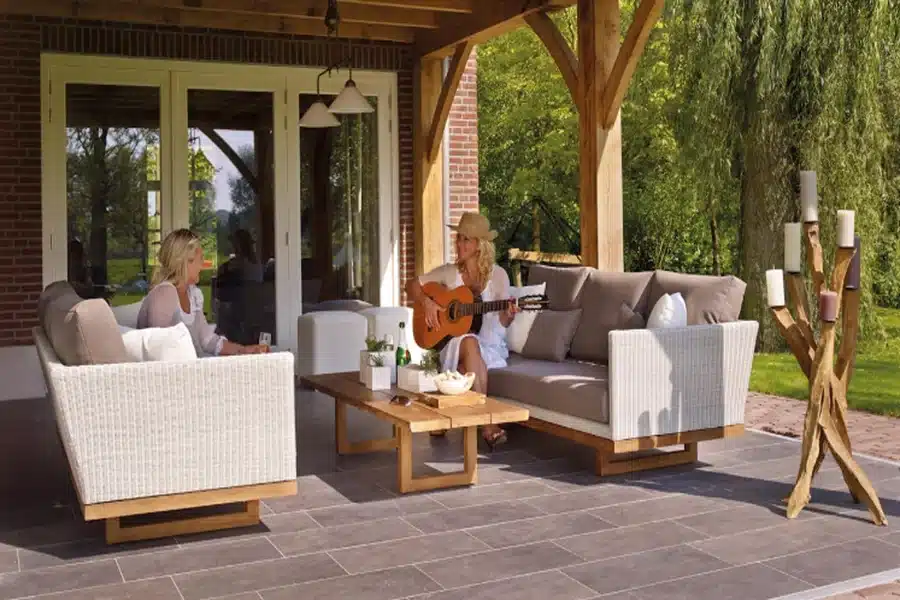
The garden tends to be a logical extension of our homes, but what transforms a patch of grass and a few plants into a genuinely relaxing space where we can host friends, drink coffee on a quiet morning, or lose ourselves in a relaxing ambiance? It doesn’t have to be about size, expensive landscaping, or trendy furniture, and a calming garden comes from balance, simplicity, and a personal connection. There’s a reason people instinctively unwind when they step outside.
Nature offers a kind of therapy that is hard to replicate indoors, and studies have shown that being around plants, bird song, and running water reduces our stress hormones and lowers our blood pressure. A relaxing garden will draw you in, and this is about finding the elements that slow down the mind. Here’s some simple, achievable ways to create that sense of calm without your garden being an overpriced vanity project that’s not fit for purpose:
Start With Maintenance
Even the most beautiful garden loses its relaxing appeal if it feels messy or overgrown. You don’t have to be a perfectionist, but understanding basic upkeep can make a world of difference because a tidy lawn, trimmed edges, and clear paths will instantly create a calming tone.
This is where tools like a reliable string trimmer and a solid lawn mower will make these tasks quick, effortless, and satisfying. The fact is, a well-kept garden is easy to achieve as long as you don’t chase perfection because nature (by its very nature) looks beautiful anyway; you’re just making sure that you trim the edges and highlight its attributes.
Choose Calming Colors and Soft Textures
Color is always going to play a powerful and pivotal role in our mood. In nature, harmony is the one key thing that ties landscapes together, so think about this when you are planting. Greens dominate in soothing landscapes and can be softened by pastel lavender or white tones. Stay away from bold colors that clash, but then combine these with soft textures such as ornamental grass or plants with feathery leaves, which can give your garden a dynamic but peaceful rhythm when they move gently in the wind.
You can also add natural materials such as stone, wicker, and wood, which will enhance that grounding feeling, while also being careful not to pepper the space with too many glossy or synthetic surfaces, because they can be too much in a visual sense; remember, you are chasing calm!
Layer Sounds
You may think this is quite a tough thing to achieve, but when we’re chasing relaxation, sound is just as important as what we see, so when you start to think about the natural sounds in your environment, like leaves rustling, bees buzzing, and birds singing their songs, you can actually amplify this naturally by planting shrubs or hedges that attract wildlife.
If your garden is near a busy road, you can mask the background noise with the right implements, such as a water feature, which has been shown to be one of the most relaxing items you can install in a garden, and this gentle trickling could make all the difference. The idea when you’re doing this is not to fill the air with constant noise, but to create a soundscape that’s rhythmic and soothing, particularly if you feel you live in a chaotic environment.
Creating Privacy Without Feeling Closed Off
This all depends on the person, but relaxation shouldn’t make you feel trapped; it’s about being tucked away. Look at screening your garden subtly rather than isolating it, for example, using climbing plants on trellises, tall grass, or even staggered planters to soften the views of neighboring houses or fences.
Natural screens work best because they filter light beautifully and add a sense of depth, so your garden feels private, but it’s still open to the sky above you and the breeze. When it’s well-balanced, landscaping to create privacy creates a very important thing: the illusion of a sanctuary, even if you are in an urban setting.
Comfortable Seating That Feels Part of the Garden
You don’t need to purchase flashy garden furniture, and in fact, comfort is going to be style when you are looking to relax, so choose chairs or benches that look like they encourage lounging, for example, cushioned armchairs or hammocks. You should put them where you will naturally drift during the day, so if you like to sit in a shaded area during the afternoon or a corner on a sunny Sunday morning, play to your natural inclinations.
And even if you’re thinking that space is too tight, you can create a sanctuary with the right items surrounding it, for example, potted shrubs to make even a single wooden bench feel enclosed. The more like a nest the spot feels, the more you are going to relax.
Lighting That Reflects the Mood You Want
Light can change everything. The big problem with lighting is that the harsher it is, the less inviting a garden can feel, no matter how beautiful it appears during the day. For this reason, many outdoor design experts, including those featured on gramernest.com, recommend focusing on warm, soft tones that mimic candlelight or the gentle glow of a sunset to create a more relaxing and enchanting atmosphere.
When you make glow and shadow creatively, you’re going to add some mystery and make the garden feel deeper and more intimate, while also ensuring you feel more relaxed past sunset, turning those summer evenings or even cold winter nights into an inviting invitation rather than a blustery barrier.
A relaxing garden isn’t just beautiful, it feels right for you. Avoid chasing someone else’s design style, but instead pick what resonates with you emotionally. We can look at Pinterest boards, but the fact is, creating a relaxing garden can be about doing less, and no matter how small the space, your backyard can become the tranquil retreat you’ve been craving for a long time. It’s all about remembering you don’t need acres of land to feel a connection with nature; it’s all about a few thoughtful changes to turn your garden into a genuine sanctuary. Just remember to start simple, stay consistent, and give it time.